When to Replace Prescription Safety Glasses
Your safety glasses don’t have to be broken to stop doing their job.
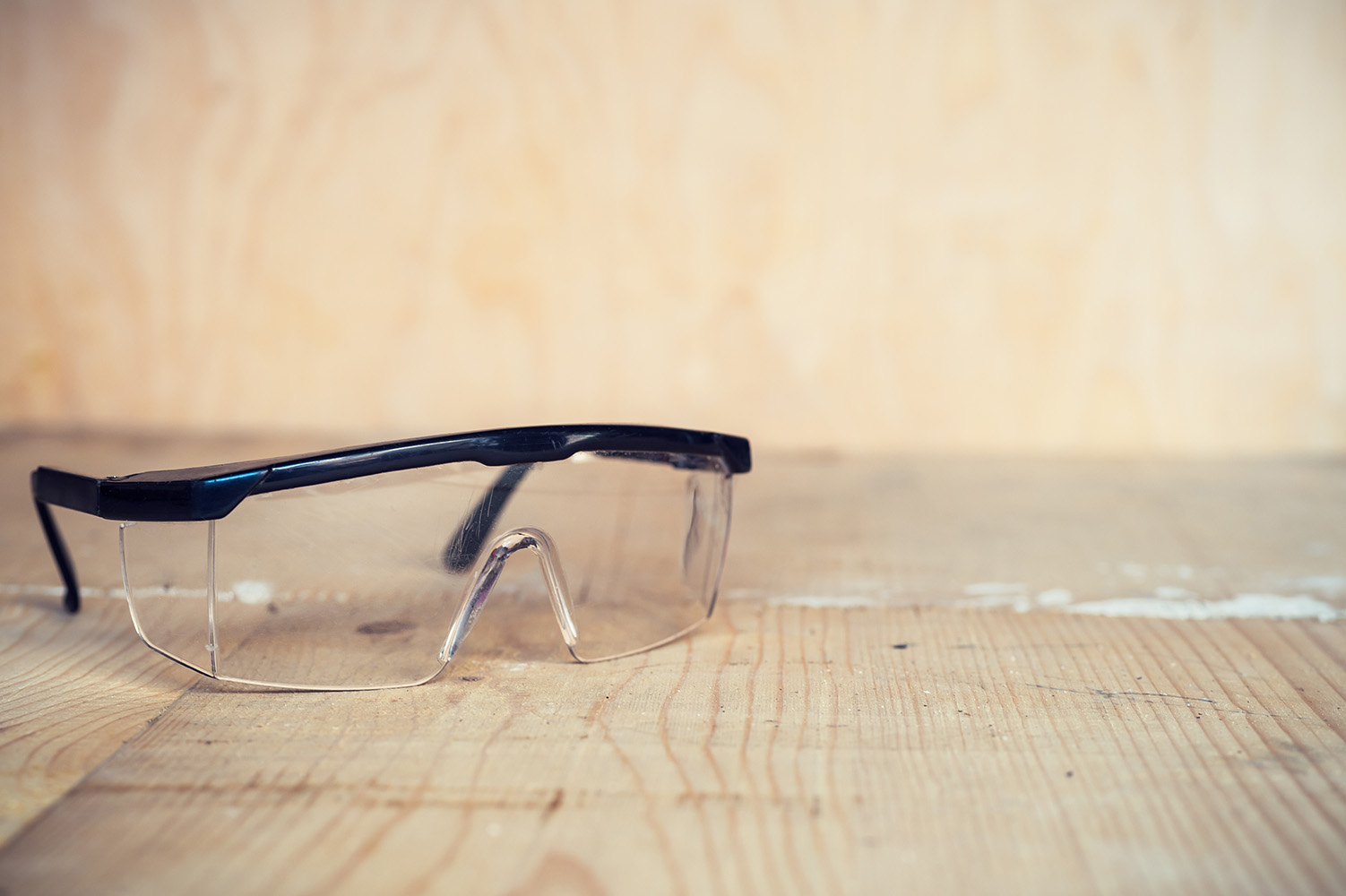
Most prescription safety eyewear wears out gradually. A scratch here. A scuff there. A little less clarity than before. Over time, those small issues add up, making it harder to see clearly and easier to overlook hazards that matter.
The problem is that worn safety glasses rarely announce themselves. They just become part of the workday.
That’s where risk starts.
When Should You Replace Prescription Safety Glasses?
If you’re wondering when to replace safety glasses, the answer is simple: replace them when they no longer provide the visibility, comfort, or protection they were designed to deliver.
That means it’s probably time for a replacement if you notice:
- Scratches that interfere with your vision
- Lens haze, clouding, or discoloration
- Cracked or damaged lenses
- Loose, bent, or damaged frames
- Worn nose pads or temples that affect fit
- Reduced comfort during long shifts
- Prescription changes that affect visual accuracy
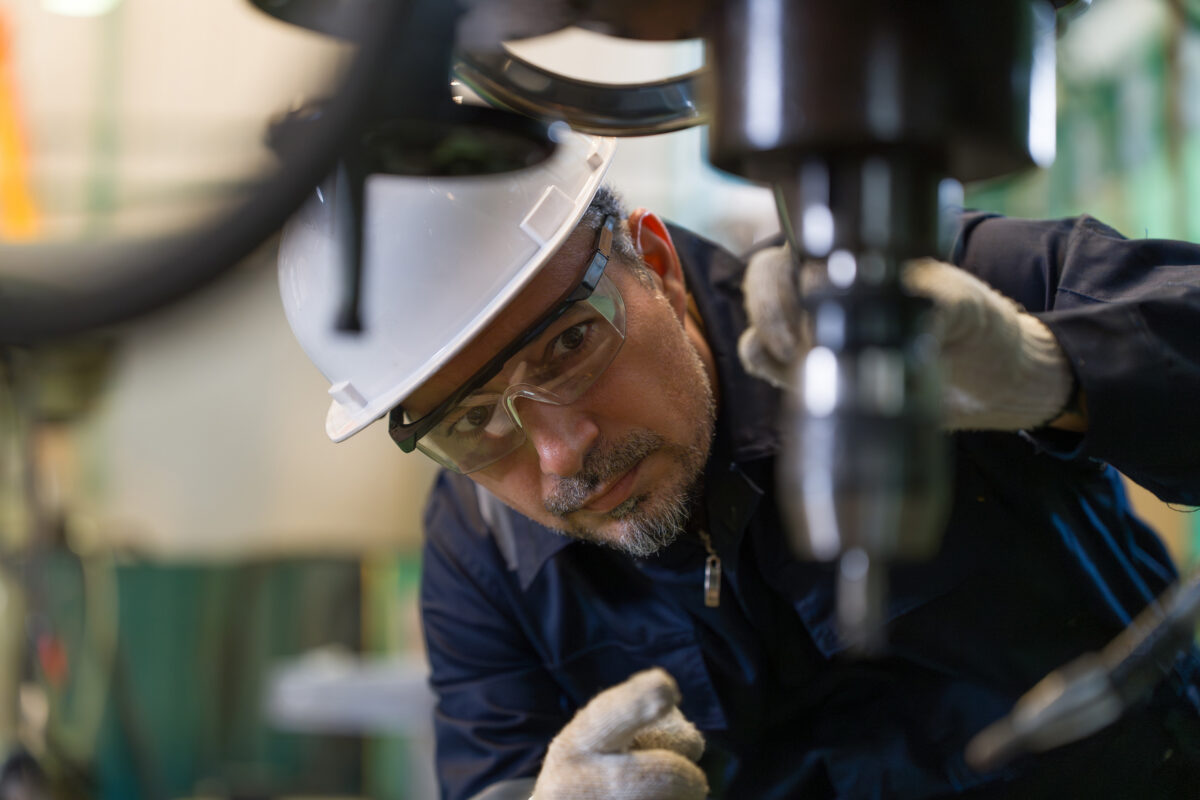
Even in the absence of these issues, safety eyewear should be replaced every two years. Many manufacturing environments have caustic fumes or vapors that may not affect workers, but can slowly break down frames and lenses, weakening them and making them less impact resistant. In addition, regular exposure to UV light, heat and other environmental factors can degrade the performance of the components in safety glasses, reducing the protection they offer wearers. Safety eyewear is personal protective equipment. If it can’t help you see clearly and stay protected, it’s not performing as intended. Don’t bet your eyes, or those of your employees, on possibly compromised safety glasses.
Scratched Lenses Aren’t Just Annoying
Many workers delay scratched safety glasses replacement because the damage seems minor.
That’s understandable. It’s also risky.
Even small scratches can scatter light, reduce contrast, and create visual distractions throughout the day. The more demanding the task, the more those visual interruptions matter.
Reading measurements. Operating equipment. Spotting hazards. Working in bright sunlight.
Clear vision isn’t a convenience. It’s part of workplace safety.
A lens doesn’t have to be broken to become a problem.
How Worn Safety Glasses Affect Visibility
One of the most overlooked workplace hazards is reduced visibility caused by worn eyewear.
Worn safety glasses visibility issues often develop slowly enough that people adapt without realizing it.
The lens becomes slightly less clear. The coating starts to degrade. Scratches accumulate. Visual fatigue increases.
You adjust.
Until one day you’re working harder to see than you should be.
Protection starts with awareness. And awareness starts with clear vision.
Signs Your Safety Glasses Are No Longer Providing Full Protection
Safety glasses are designed to withstand demanding environments. But no piece of equipment lasts forever.
Consider replacing your eyewear if you notice:
Visible Lens Damage
Deep scratches, pitting, cracks, or chips can affect both visibility and impact performance.
Reduced Optical Clarity
If lenses appear cloudy, hazy, or difficult to see through, they may no longer provide the visual performance you need.
Poor Fit
Frames that slide, pinch, or sit unevenly can reduce comfort and encourage workers to remove them during the day.
Damaged Components
Broken hinges, worn temples, and deteriorated nose pieces can compromise both comfort and protection.
Outdated Prescription
If your vision has changed, your eyewear should change with it.
The best safety glasses are the ones people actually wear. Consistently. Comfortably. Without distraction.
Why Timely Replacement Matters
A lot can happen during a busy season.
Long hours. Outdoor projects. Dust. Heat. Repeated cleaning. Daily wear.
All of it takes a toll on safety eyewear.
The longer damaged or worn glasses stay in service, the greater the chance that visibility, comfort, and protection begin to decline.
That’s why replacing safety glasses isn’t about appearances.
It’s about maintaining the standard they’re supposed to deliver every day.
Don’t Wait for Failure
Most safety eyewear doesn’t fail all at once.
It wears down.
That’s what makes replacement decisions easy to postpone.
But clear vision and reliable protection shouldn’t be treated as optional upgrades. They’re the reason safety glasses exist in the first place.
If your prescription safety glasses are scratched, worn, uncomfortable, or no longer helping you see your best, it may be time for a replacement.
Because protection people struggle to wear isn’t protection.
And protection people can’t see through isn’t either.