Safety Eyewear
How to Get the Right Sunglasses: What That Writing on the Frames Really Means
Nov
Choosing the right sunglasses involves more than finding a pair that looks good in the mirror. Check the tiny numbers, letters, and symbols printed inside the frame or on the lens, and you’ll find information about sizing, UV protection, and sometimes workplace safety. The trick is knowing which markings matter, and which ones don’t tell you nearly as much as you might think.
Because buying sunglasses based entirely on looks is fine. Assuming they protect your eyes because they look tough? That’s another story.
Start With the Markings That Matter
Sunglasses come with all sorts of labels and claims. Some describe lens features. Others identify the manufacturer or indicate compliance with a particular standard. Here’s what to look for before you buy.
UV400 or 100% UV Protection
This is one marking worth taking seriously.
The U.S. Food and Drug Administration recommends sunglasses labeled UV400 or 100% UV protection to help block more than 99% of UVA and UVB radiation. That’s important because ultraviolet exposure can harm your eyes over time.
Here’s the catch: dark lenses don’t automatically provide UV protection. A nearly black lens without adequate UV filtering isn’t necessarily protecting your eyes any better than a lightly tinted lens.
In fact, darkness alone can be misleading. Your eyes need appropriate UV protection, not just relief from bright sunlight.
Not sure whether your sunglasses provide adequate protection? Ask an eye care professional to check them.
For more guidance, see the FDA’s recommendations for sunglasses and sun protection.
Polarized: Great for Glare, not a UV Guarantee
Polarized lenses reduce glare from reflective surfaces such as roads, water, and snow. That can make driving, fishing, boating, and other outdoor activities more comfortable.
But polarization and UV protection are two different things.
A polarized lens isn’t automatically a UV-blocking lens. Look for both features if you want glare reduction and protection from ultraviolet radiation.
And don’t assume polarization makes sunglasses suitable for every activity. Depending on the display or equipment involved, polarized lenses can make some digital screens harder to read.
The takeaway? Know what each feature does before paying extra for it.
What Do the Numbers Inside Your Frames Mean?
Flip your sunglasses over and look inside the temple. You may see a sequence such as 52□18 140.
Those numbers generally describe the frame’s dimensions:
- 52: Lens width in millimeters.
- 18: Bridge width, or the space between the lenses, in millimeters.
- 140: Temple length in millimeters.
These measurements help you find a frame that fits comfortably. They don’t tell you whether the sunglasses block UV radiation or provide impact protection.
Fit matters, though. Frames that slide down your nose, pinch your temples, or leave large gaps around your face can become annoying fast. For outdoor use, a well-fitting frame can also help limit light entering around the sides.
The right size isn’t necessarily the biggest or smallest number. It’s the frame that fits your face and works for the conditions in which you’ll wear it.
What Does ANSI Z87 Mean on Sunglasses?
Now we’re getting into territory that matters beyond comfort and style.
ANSI/ISEA Z87.1 is a standard for occupational and educational eye and face protection. Eyewear designed and marked to meet the standard has been evaluated against applicable performance requirements.
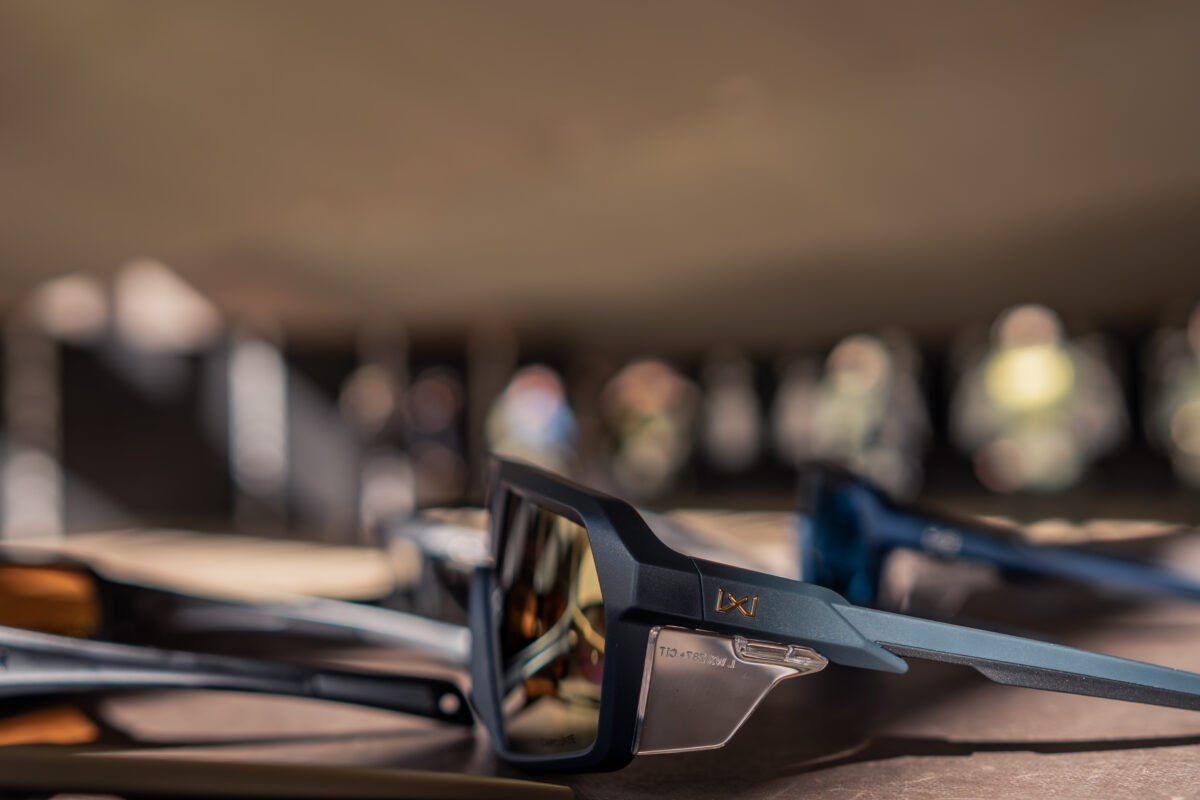
You’ll often see Z87 or Z87-2 markings on safety eyewear. The exact markings and their placement depend on the product and its intended use. The addition of a plus sign identifies eyewear as being rated for high-impact protection.
But here’s the important distinction: ordinary sunglasses aren’t automatically safety glasses just because they have dark lenses, sturdy-looking frames, or a manufacturer’s claim about durability.
If you’re buying sunglasses for a hazardous workplace, verify that the specific product meets the requirements for the hazards involved. Don’t rely on appearance—or assume that every pair marketed as safety sunglasses provides the same level of protection.
For more information, consult the ANSI overview of the Z87.1 eye protection standard.
Choose Sunglasses for the Job
Think about where you’ll wear your sunglasses.
Driving? Glare reduction and UV protection may be priorities. Spending the day on the water? UV protection and a comfortable, secure fit matter. Working around machinery, flying particles, or other occupational hazards? You may need safety-rated eyewear designed for those specific conditions.
One pair doesn’t necessarily do everything.
At Z87 OPTICS, we understand that eyewear needs to do more than look good. Our selection includes sunglasses and safety eyewear options for different needs, including prescription wearers who shouldn’t have to choose between clear vision and appropriate protection.
Know what you’re buying. Know what the markings mean. And don’t confuse good looks with eye protection.
Explore the sunglasses and eyewear options at Z87 OPTICS to find eyewear that fits your needs, and your face.
